

A Spiritual Journey of a Lifetime
Hajj, the annual pilgrimage to the holy city of Mecca in Saudi Arabia, is one of the most significant and revered acts of worship in Islam. It holds immense spiritual, cultural, and communal significance for Muslims around the world.
This sacred journey, obligatory for those who are physically and financially able, is a testament to the unity of the global Muslim community and serves as a profound experience that strengthens faith, fosters humility, and encourages social equality.
SIGNIFICANCE
Historical and Religious Importance
Hajj is deeply rooted in Islamic history and tradition.
It commemorates the acts of the Prophet Ibrahim (Abraham) and his family, as well as the trials of Hagar and Isma'il in the desert.
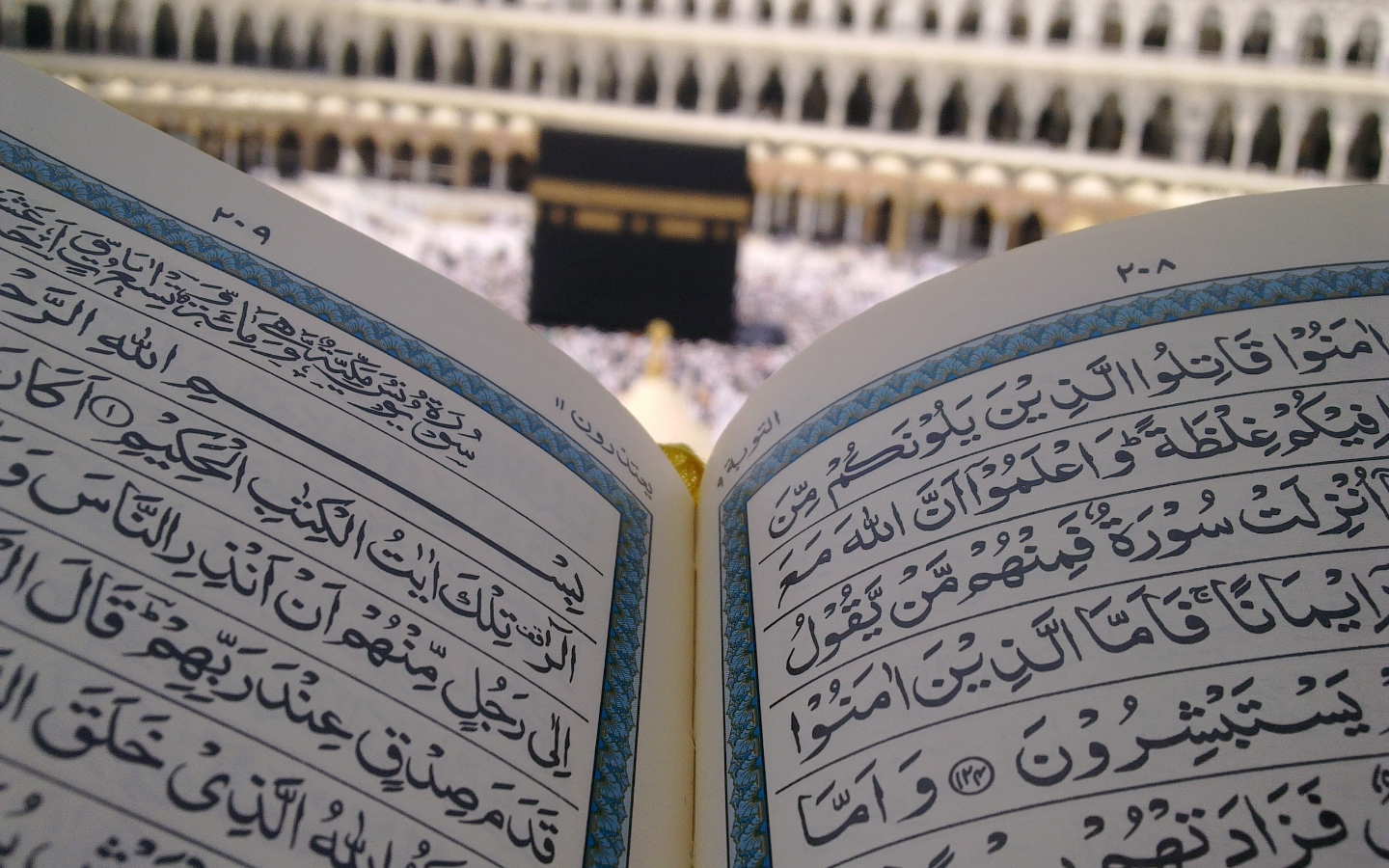
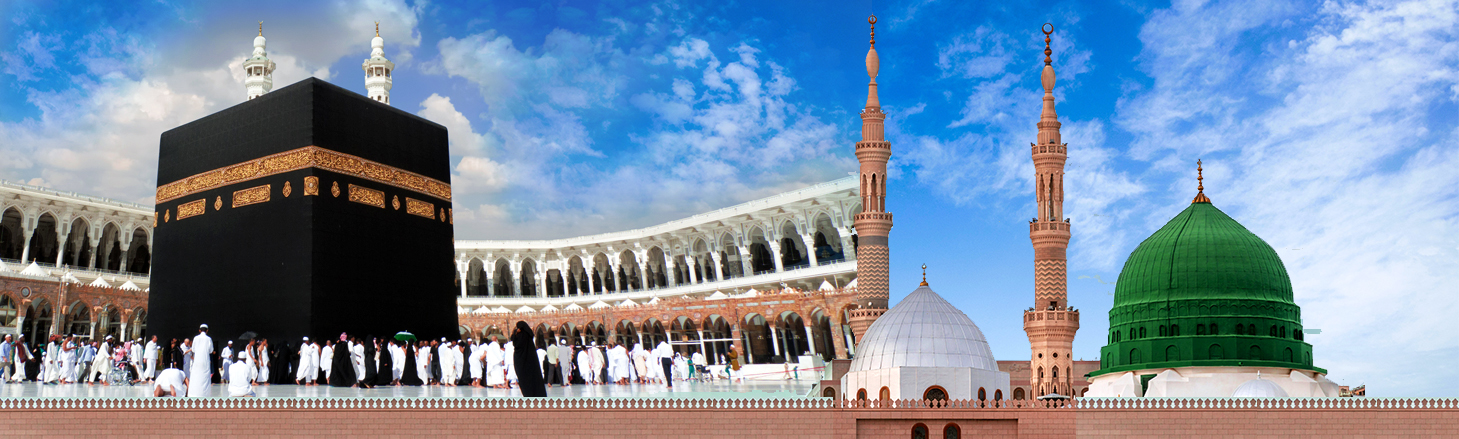
The pilgrimage sites, such as the Kaaba, Zamzam Well, and the hills of Safa and Marwa, are all associated with these historical events and serve as a reminder of the unwavering faith and obedience of the Prophet Ibrahim.
Unity of the Muslim Ummah
Hajj gathers Muslims from diverse backgrounds, languages, and cultures into a single, unified congregation.
It serves as a powerful reminder of the global unity of the Muslim community (ummah).
The people from every corner of the world stand side by side, all dressed in simple white clothing, symbolizing equality and humility before Allah.
Spiritual Cleansing and Renewal
Hajj is a journey of purification and renewal. Muslims believe that performing Hajj erases their past sins and provides them with an opportunity to start afresh.
It is a time for deep introspection, self-assessment, and seeking forgiveness from Allah.
By participating in the rituals of Hajj, believers aim to cleanse their hearts and souls, attaining a state of spiritual purity.
Rites and Rituals
The Hajj pilgrimage involves a series of specific rituals that reenact the actions of Prophet Ibrahim and his family.
These rituals include the tawaf of the Kaaba, standing on the plain of Arafat, the symbolic stoning of Satan (Rami al-Jamarat), and the symbolic act of sacrifice (Qurbani).
Each ritual carries profound symbolism and serves as a reminder of the submission and devotion required by every believer.
Social Equality and Humility
Hajj serves as a powerful reminder of the equality of all people before Allah.
During Hajj, there is no distinction between rich and poor, black and white, young and old. All pilgrims dress in identical attire, eliminating any visible markers of social status.
This fosters a sense of humility and unity, emphasizing that in the eyes of Allah, all are equal.
Strengthening Family
Many families and communities embark on the Hajj pilgrimage together.
This journey provides a unique opportunity for families to strengthen their bonds and create lasting memories.
It also encourages a sense of community and brotherhood among Muslims, as they share in the challenges and blessings of this spiritual journey.